
Garage door springs are essential for supporting the weight of a garage door and allowing it to open and close smoothly. However, these components experience repeated mechanical stress every time the door moves, gradually wearing down until they eventually need replacement. Most standard residential garage door springs are rated for approximately 10,000 operating cycles, although their actual lifespan depends on usage frequency, installation quality, and environmental conditions. Recognizing what affects garage door spring longevity can help homeowners plan maintenance, identify potential problems early, and reduce the risk of unexpected spring failure.
The team at Connecticut Garage Doors offered expert guidance on how long torsion and extension garage door springs typically last, which everyday habits and environmental factors shorten their service life, and how proper maintenance can help homeowners keep their garage door systems operating safely and reliably.
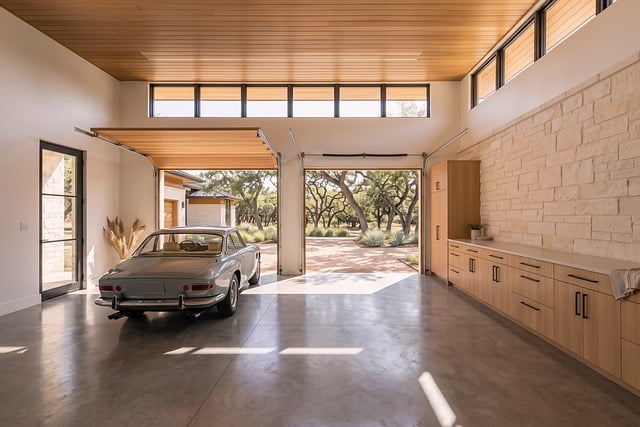
How Long Do Garage Door Springs Last? (And What Shortens Their Life)
Garage door spring lifespan is measured primarily in operating cycles rather than calendar years. One complete cycle consists of opening the garage door once and closing it once. Although many standard residential springs are designed for approximately 10,000 cycles, the time required to reach that limit varies according to household usage and the spring’s specifications.
- Standard Garage Door Springs: Approximately 10,000 Cycles – Many residential torsion and extension springs have a typical rating of around 10,000 cycles. For a household completing four full opening-and-closing cycles per day, this translates to approximately seven years of operation. Less frequent use can extend that period, while a busy household may reach the spring’s rated cycle count much sooner.
- Torsion Springs vs. Extension Springs – Torsion springs are mounted above the garage door and operate by twisting, while extension springs stretch along the horizontal tracks as the door closes. Both types experience gradual wear, and their expected service life depends on their individual cycle ratings rather than the spring type alone. Some high-cycle torsion springs are designed to deliver substantially more operating cycles than standard models.
- High-Cycle Garage Door Springs – Homeowners who use their garage doors frequently may benefit from springs rated for 20,000, 25,000, or more operating cycles, provided the system is designed for them. A higher cycle rating can reduce how frequently springs need replacement, but the correct spring must be selected according to the door’s weight, dimensions, and counterbalance requirements.
- The Difference Between Rated Life and Actual Lifespan – A spring’s cycle rating provides an estimate of its intended service life under appropriate conditions, not a guarantee that it will last a particular number of years. Corrosion, incorrect installation, physical damage, and other factors can contribute to premature failure. Even a well-maintained garage door spring can eventually break as a result of normal metal fatigue.
What Shortens Garage Door Spring Lifespan?
Several factors can cause garage door springs to wear out faster than expected. Understanding these influences helps homeowners recognize preventable problems and make informed decisions about garage door maintenance.
- Frequent Garage Door Use – Every opening and closing cycle contributes to spring fatigue. Households that use the garage as their primary entrance often operate the door more frequently than those that use it occasionally, accelerating the accumulation of cycles.
- Rust and Corrosion – Moisture, humidity, and exposure to corrosive conditions can weaken spring metal over time. Rust can also create imperfections in the spring surface that contribute to premature failure. Keeping the garage reasonably dry and following the manufacturer’s lubrication recommendations can help protect compatible components.
- Incorrect Spring Sizing or Installation – Springs must be properly matched to the garage door’s weight and dimensions. An incorrectly sized spring or an improperly installed counterbalance system may experience excessive stress and wear prematurely. Professional installation helps ensure that the correct components are selected and fitted appropriately.
- Physical Damage During Handling or Installation – Scratches, notches, or other damage can create weak points in spring material. Even small imperfections can affect a spring’s performance and shorten its expected service life, making correct handling and professional installation important.
- Door Balance and Mechanical Problems – A garage door with worn rollers, damaged cables, or other mechanical faults may not move smoothly. Problems with the counterbalance system can also affect how the springs operate. Addressing these issues promptly helps prevent additional stress on connected components and supports reliable garage door performance.
Signs Your Garage Door Springs May Need Replacement
Recognizing the warning signs of worn or broken garage door springs can help homeowners arrange repairs before the door becomes completely inoperable. Common symptoms include a garage door that feels unusually heavy, struggles to open, moves unevenly, or causes the opener to strain. A sudden loud bang may indicate that a spring has snapped, while a visible gap in a torsion spring coil is another clear sign of failure. However, these symptoms can also result from other mechanical problems, so a professional inspection is necessary to confirm the cause. Never attempt to adjust, remove, or replace garage door springs yourself, as they store substantial mechanical energy and can cause severe injuries if handled incorrectly. A qualified technician can inspect the spring system, verify the door’s balance, and recommend suitable replacement springs based on the door’s specifications and expected usage.
In conclusion, by recognizing the warning signs of spring wear and addressing related mechanical issues promptly, homeowners can plan for replacement more effectively and maintain dependable garage door operation. Because spring repairs involve high-tension components, professional service remains the safest approach to restoring a properly balanced and reliable garage door system.
Written by Connecticut Garage Doors, your local garage doors and gate technician in Bridgeport Garage Doors, Westport Garage Doors, Danbury Garage Doors, Greenwich Garage Doors, Shelton Garage Doors, Ridgefield Garage Doors, Derby Garage Doors Groton Garage Doors, Trumbull Garage Doors, New London Garage Doors, Milford Garage Doors, Middletown Garage Doors, Stamford Garage Doors, Waterbury Garage Doors, West Hartford Garage Doors, Fairfield Garage Doors, Manchester Garage Doors, Norwalk Garage Doors, Norwich Garage Doors, Newtown Garage Doors, New Canaan Garage Doors, Ansonia Garage Doors, Monroe Garage Doors, Stonington Garage Doors, and Darien Garage Doors.