
A frozen garage door can create an unexpected problem during cold weather, especially when moisture freezes between the bottom weather seal and the garage floor. The door may refuse to open, the opener may strain without moving it, or ice buildup may prevent the bottom edge from releasing. Forcing the door open can damage the rubber seal, strain the opener, and create additional mechanical problems. Understanding how to unstick a frozen garage door safely helps homeowners restore access while protecting the door’s components and recognizing when professional garage door repair is necessary.
We turned to Arizona Garage Doors for professional guidance on why garage doors freeze shut, which methods can safely remove ice from the bottom seal, and how regular winter garage door maintenance can prevent recurring problems and protect the system from cold-weather damage.
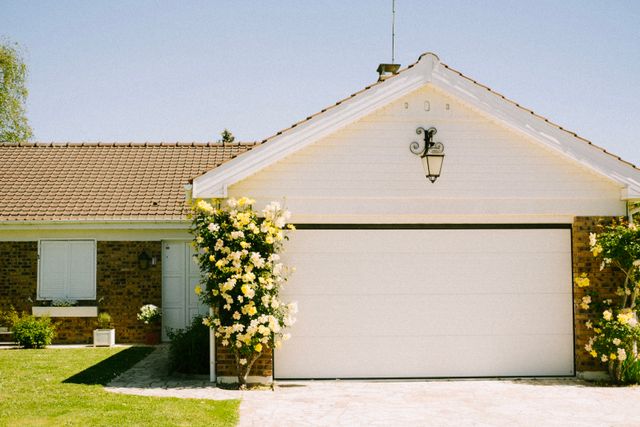
Dealing with a Frozen Garage Door: Safe Ways to Unstick It
When a garage door freezes to the ground, the problem is often caused by moisture that accumulates beneath the bottom weather seal and freezes overnight. Before attempting to open the door, stop using the automatic opener and check for visible ice along the bottom edge. Keep children and pets away from the doorway, and never force the door if it appears damaged or unstable.
- Stop Using the Garage Door Opener – If the opener strains, makes unusual noises, or fails to lift the door, stop pressing the remote or wall button. Repeated attempts to open a frozen garage door can damage the opener’s drive mechanism, tear the weather seal, or place additional strain on the lifting system.
- Check for Ice and Snow Around the Bottom Seal – From a safe position, examine the area where the garage door meets the floor. Remove loose snow and accessible ice buildup without striking the door itself. If the bottom rubber seal appears frozen to the concrete, focus on gently releasing the ice bond instead of trying to lift the door immediately.
- Use Gentle Heat to Melt the Ice – A household hair dryer on a low setting can help loosen ice along the bottom edge. Keep the dryer moving, avoid overheating the rubber seal or door finish, and ensure electrical cords and outlets remain dry. Never use an open flame or apply excessive heat, which can damage door materials and create a fire hazard.
- Loosen Remaining Ice Carefully – If the ice is still holding the seal in place, use a flat plastic scraper to loosen accessible ice gently. Avoid metal tools, screwdrivers, and pry bars because they can cut the weather seal, scratch the door, or damage the bottom panel. Do not force the seal away from the floor.
- Disengage the Opener Only When It Is Safe – If the door is fully closed and appears stable, you can follow the manufacturer’s instructions to disengage the automatic opener before testing manual movement. Never pull the emergency release when the door is partially open, crooked, or potentially unsupported by its springs and cables. If the door’s condition is uncertain, contact a professional.
- Test the Door With Gentle Pressure – Once the ice has been loosened, use the designated lifting handle to apply gentle upward pressure, provided there are no signs of mechanical damage. A properly functioning door should move without excessive effort. If it feels unusually heavy, remains stuck, or begins moving unevenly, stop immediately. Do not force it open or attempt to compensate for a possible spring or cable failure.
- Clear and Dry the Threshold – After the door has been safely released, remove the remaining ice and snow from the garage floor near the doorway. Dry any standing moisture to reduce the risk of refreezing. Avoid pouring boiling water over the frozen area, as it can refreeze quickly and create a slippery surface.
Common Mistakes to Avoid When Unfreezing a Garage Door
Attempting to free a frozen garage door too aggressively can turn a minor winter inconvenience into a more serious repair. Knowing which methods to avoid is essential for protecting the garage door opener and mechanical hardware.
- Forcing the Automatic Opener – The opener is designed to move a properly functioning door, not overcome a solid layer of ice. Repeatedly activating the motor can damage internal gears or place excessive strain on other components.
- Prying the Door Away From the Ground – Using a shovel, metal scraper, or pry bar beneath the door can tear the bottom weather seal and damage the door panel. Use gentle methods to remove ice instead.
- Applying Excessive Heat – Open flames and high-temperature heat guns can damage rubber seals, affect the door’s finish, and create fire hazards. Use gentle, controlled heat and keep electrical equipment away from moisture.
- Ignoring Signs of Mechanical Failure – A door that remains heavy after the ice has been removed, hangs unevenly, or has a loose cable may have a broken spring or another mechanical problem. Do not continue operating it or attempt repairs on high-tension components.
If the door remains frozen despite careful attempts to release the ice, or you suspect damage to the springs, cables, tracks, or opener, arrange professional garage door service before using the system again.
How to Prevent Your Garage Door From Freezing Shut
Preventing a frozen garage door begins with controlling moisture around the doorway and maintaining the condition of the bottom weather seal. Keep the garage floor near the threshold clear of standing water, snow, and slush, particularly after vehicles enter with snow or rain on their tires. Inspect the rubber seal periodically for cracks, hardening, or deterioration that could allow moisture to accumulate beneath it. Replacing a damaged seal can improve weather protection and reduce the likelihood of freezing. A small amount of compatible silicone-based lubricant may also help keep rubber or vinyl seals flexible when recommended by the manufacturer. Clopay provides additional advice in its garage door seal maintenance guide. During winter, regular garage door maintenance and attention to drainage around the garage entrance can help reduce ice buildup and prevent repeated freezing problems.
In conclusion, safely unfreezing a garage door requires patience, and preventive measures, that can help homeowners reduce the risk of unnecessary damage. If the door remains stuck or shows signs of spring, cable, or track damage, professional garage door repair is the safest way to restore reliable operation.
Written by Arizona Garage Doors, your local garage doors and gate technician in Mesa Garage Doors, Chandler Garage Doors, Gilbert Garage Doors, Tempe Garage Doors, Sun City Garage Doors, Anthem Garage Doors, New River Garage Doors Phoenix Garage Doors, El Mirage Garage Doors, Sun City West Garage Doors, Fountain Hills Garage Doors, Surprise Garage Doors, Goodyear Garage Doors, Glendale Garage Doors, Scottsdale Garage Doors, Peoria Garage Doors, Buckeye Garage Doors, Avondale Garage Doors, Queen Creek Garage Doors and Sun Lakes Garage Doors.