
A properly balanced garage door should open and close smoothly without placing excessive strain on the automatic opener. When the spring system loses its ability to counterbalance the door’s weight, the door may become difficult to lift, move unevenly, or close unexpectedly. Learning how to recognize an unbalanced garage door helps homeowners identify potential mechanical problems before they lead to equipment damage or safety hazards. Although basic observation can reveal warning signs, correcting the balance often involves high-tension springs that require specialized tools and professional expertise.
We connected with the specialists at Florida Garage Doors to explore how garage door balancing works, which symptoms indicate an imbalance, and why attempting to adjust garage door springs without proper training can lead to serious injuries and additional mechanical damage.
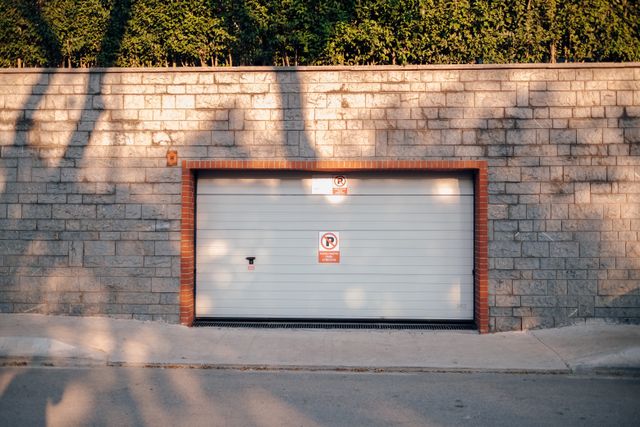
How to Balance a Garage Door (and Why You Shouldn’t Do It Alone)
Garage door balancing depends on the spring system counteracting the door’s weight so the door can move smoothly through its opening and closing cycle. Torsion springs, mounted above the door, and extension springs, positioned along the sides of many systems, store and release energy to assist with lifting. When spring tension becomes incorrect or a component wears out, the entire system can become unbalanced. Understanding the basic process helps homeowners recognize when professional garage door repair is necessary.
- Recognize the Signs of an Unbalanced Door – Watch for a garage door that moves unevenly, struggles to open, closes too quickly, or places unusual strain on the opener. Loud popping noises, visible spring damage, and a door that appears crooked may also indicate a mechanical problem. Stop operating the door if you suspect a broken spring or another serious fault.
- Understand How a Balance Test Works – A professional technician evaluates whether the door moves smoothly and can remain in a partially open position without drifting significantly upward or downward. This assessment helps determine whether the spring system provides adequate counterbalance. Homeowners should not force a heavy or damaged door through this test. If the door shows warning signs, have a qualified technician perform the assessment.
- Identify the Source of the Imbalance – Incorrect spring tension, worn springs, damaged lifting cables, deteriorated rollers, and track alignment problems can all affect door movement. A technician examines the connected hardware to determine whether the problem involves the counterbalance system or another mechanical component.
- Arrange the Appropriate Adjustment or Repair – Depending on the diagnosis, professional service may involve adjusting or replacing springs, repairing damaged hardware, or correcting related alignment issues. After completing the work, the technician checks the door’s movement and verifies that the opener and safety features operate correctly.
Warning Signs That Your Garage Door Needs Balancing
Recognizing the early symptoms of an unbalanced garage door can help prevent further damage to the opener and other connected components. Although several mechanical problems can produce similar symptoms, the following warning signs deserve attention.
- The Garage Door Feels Unusually Heavy – When the spring system no longer supports the door’s weight correctly, lifting becomes more difficult and the opener may struggle. Avoid trying to compensate for the extra weight by repeatedly activating the motor.
- The Door Drops or Will Not Stay in Position – A door that moves unexpectedly when partially open may have a serious counterbalance problem. Keep people and pets away from the area, do not attempt to hold the door in place, and contact a garage door technician.
- The Door Opens Crookedly or Gets Stuck – Uneven movement may indicate an imbalance, a damaged cable, or a problem with the rollers or tracks. Because continued operation can worsen the damage, arrange a professional inspection instead of attempting to straighten or reposition the door yourself.
- The Opener Makes Unusual Noises – Grinding, straining, or repeated stopping can indicate that the opener is working harder than intended. An imbalance may be responsible, but worn gears or other mechanical faults can cause similar symptoms.
Why Professional Garage Door Balancing Is the Safest Option
Garage door spring adjustment is not an ordinary DIY maintenance task. Torsion and extension springs store substantial energy, and incorrect handling can cause components to release suddenly, resulting in severe injuries or property damage. Spring-connected cables, brackets, and other hardware can also be dangerous to loosen or remove. According to Clopay’s garage door service guidance, homeowners should not attempt to correct a door’s balance themselves and should contact a professional when an imbalance is identified.
A qualified garage door technician has the equipment and training needed to inspect the spring system, assess door balance, and identify worn or damaged components safely. Professional service also helps prevent the opener from operating under excessive strain, which can contribute to premature wear. Homeowners can support long-term performance by keeping accessible areas clear, observing the door during normal operation, and arranging maintenance when unusual movement or noise develops. However, adjustments involving springs, lifting cables, or other high-tension components should always be left to a trained professional.
In conclusion, changes in door movement, excessive lifting effort, and unusual mechanical noises can indicate that the spring system needs professional attention. By avoiding risky DIY spring adjustments and arranging qualified garage door balancing when warning signs appear, homeowners can protect their equipment, reduce unnecessary strain on the opener, and maintain safer, more reliable garage door operation.
Written by Florida Garage Doors, your local garage doors and gate technician in Naples Garage Door, Estero Garage Door, San Carlos Park Garage Door, Iona Garage Door, Cape Coral Garage Door, Lehigh Acres Garage Door, Bonita Springs Garage Door, North Fort Myers Garage Door, Port Charlotte Garage Door, Fort Myers Garage Door, Marco Island Garage Door, Immokalee Garage Door, Golden Gate Garage Door, Punta Gorda Garage Door and Englewood Garage Door.